
Posted on

The Ten Percenters

When we usually think about the contributions women made during World War II, it is typically nurses and “Rosie Riveters” who come to mind. While I’ve previously discussed women serving as foreign spies in the occupied countries (read Women Agents of the SOE here), cryptanalysts (read Unit 387 & Hillsdale here), and pilots ferrying planes from manufacturing facilities to domestic air bases (read Killed In The Service Of Her Country here ), there were other jobs equally important (and dangerous) to the war efforts which American women filled. While today we don’t agree with this, there were two fundamental beliefs at that time: women should not be allowed in uniform let alone go into combat and all troops had to be segregated. However, regardless of color and gender, many of the women who stepped up to volunteer for the military (the idea of drafting women was dropped immediately after it was suggested) filled roles which allowed more men to go into combat. Today, you will meet the only unit of all-female soldiers to be deployed overseas during World War II and it was an African-American battalion in the Women’s Army Corps.
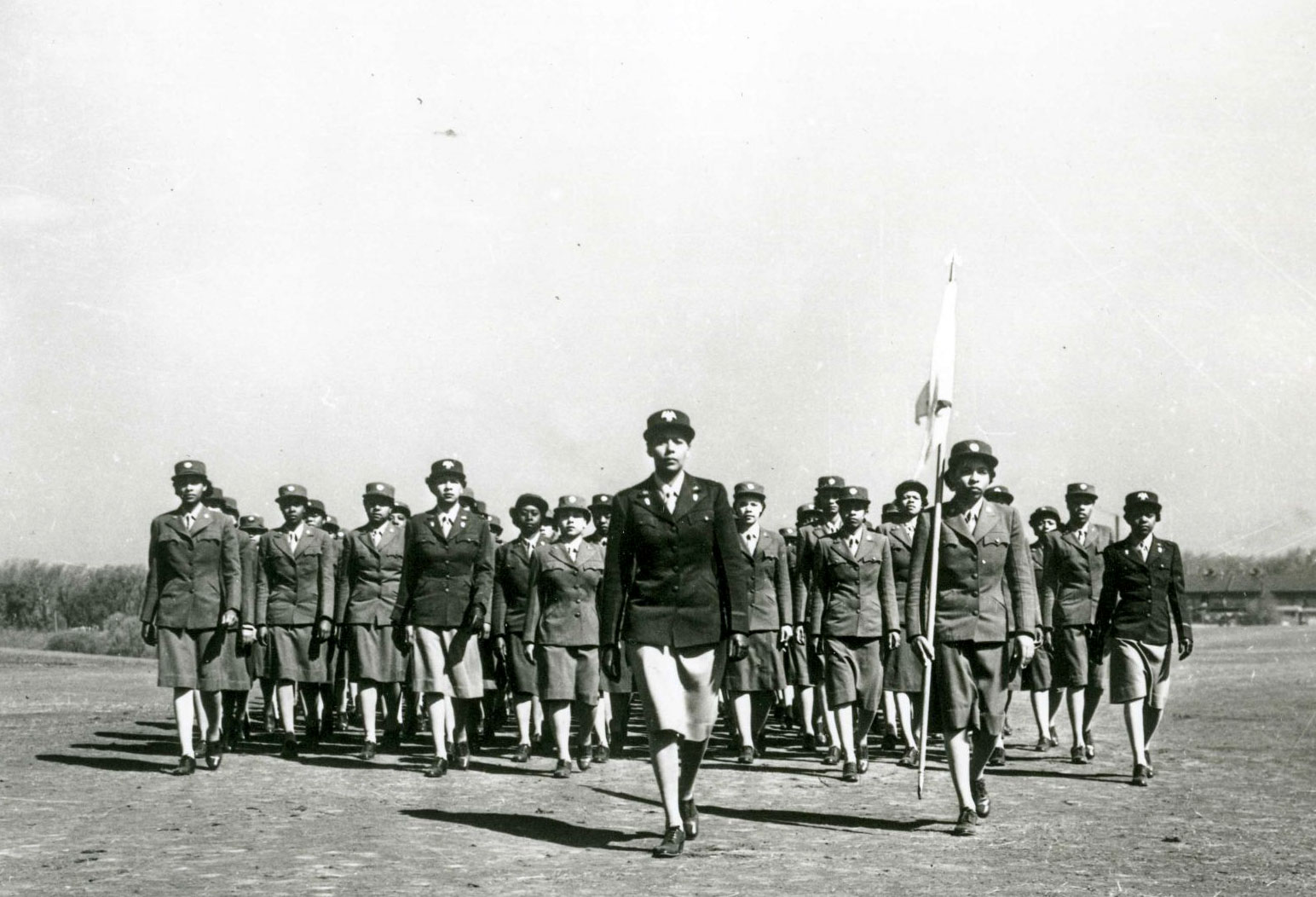
Soldiers of the 6888th marching in formation. Photo by anonymous (c. 1945). PD-U.S. Government.

Read More The Ten Percenters

Posted on

An African-American in Pre-WWII Paris

Most of us have never experienced blatant discrimination because of the color of our skin. Every country can point to episodes in its past that are regrettable and if possible, its citizens would certainly jump at the chance to turn the clock back and try to undo the damage. For America, I think most of us would agree that slavery was our low point. Even after the Civil War and emancipation, the Jim Crow laws of the south (and let’s not totally exclude the north) prevented African-Americans from exercising their rights. Before the civil rights movement of the 1960s, entertainers such as Sammy Davis Jr., Louis Armstrong, Ella Fitzgerald, and Nat King Cole were not allowed to stay in Las Vegas hotels (in other words, you can perform here—to segregated audiences—but you can’t stay here). Our story today is about an African-American entertainer who moved to Paris during the Jazz Age because her talents were recognized and appreciated by the French. The welcome mat was always out for her to stay at the hotel of her choice. By the end of her life, Josephine Baker was hailed not only as one of the world’s top entertainers but also a World War II French Resistance hero and one of the leaders of the American Civil Rights movement.

Meet Freda Josephine McDonald AKA Josephine Baker

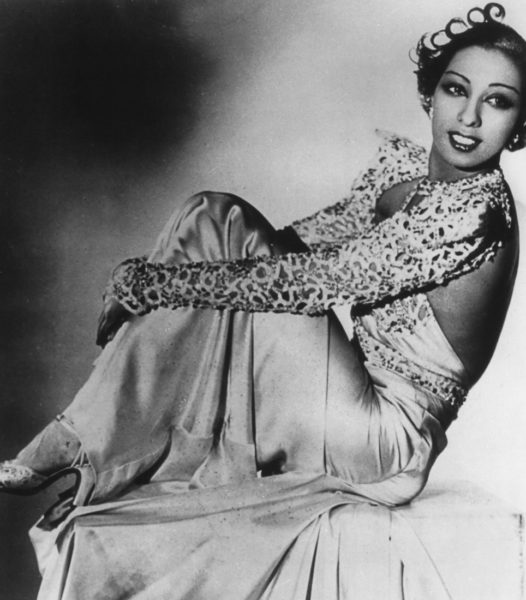
Josephine Baker, singer. Photo by anonymous (c. 1930s). Author’s collection.

Josephine Baker (1906–1975) was born into extreme poverty in St. Louis. By the age of eight, her mother began to hire out Josephine as a live-in maid. One of her memories was being abused and punished if she made eye contact with her white employer. Five years later, Josephine was living on the streets and dancing on the street corners to make money (similar to the waifs in Paris—think Edith Piaf—who sang on the street corners in the early 1900s).

Josephine married the first of her four husbands when she was thirteen. At fifteen, she divorced him and married Willie Baker. Although divorcing Willie in 1925, she decided to keep his name as her audiences were beginning to recognize Josephine Baker as a top performer and dancer in the entertainment world.  Read More An African-American in Pre-WWII Paris